
Iceland Vacations — Northern Lights, Glaciers & Hot Springs
Stacey Vacations plans Iceland at no fee — Northern Lights trips, Golden Circle tours, glacier hikes, and Ring Road adventures. I'm Stacey Haines, a Florida-based travel agent with Castle Dreams Travel, and the suppliers pay my commission, so expert planning costs you nothing extra.
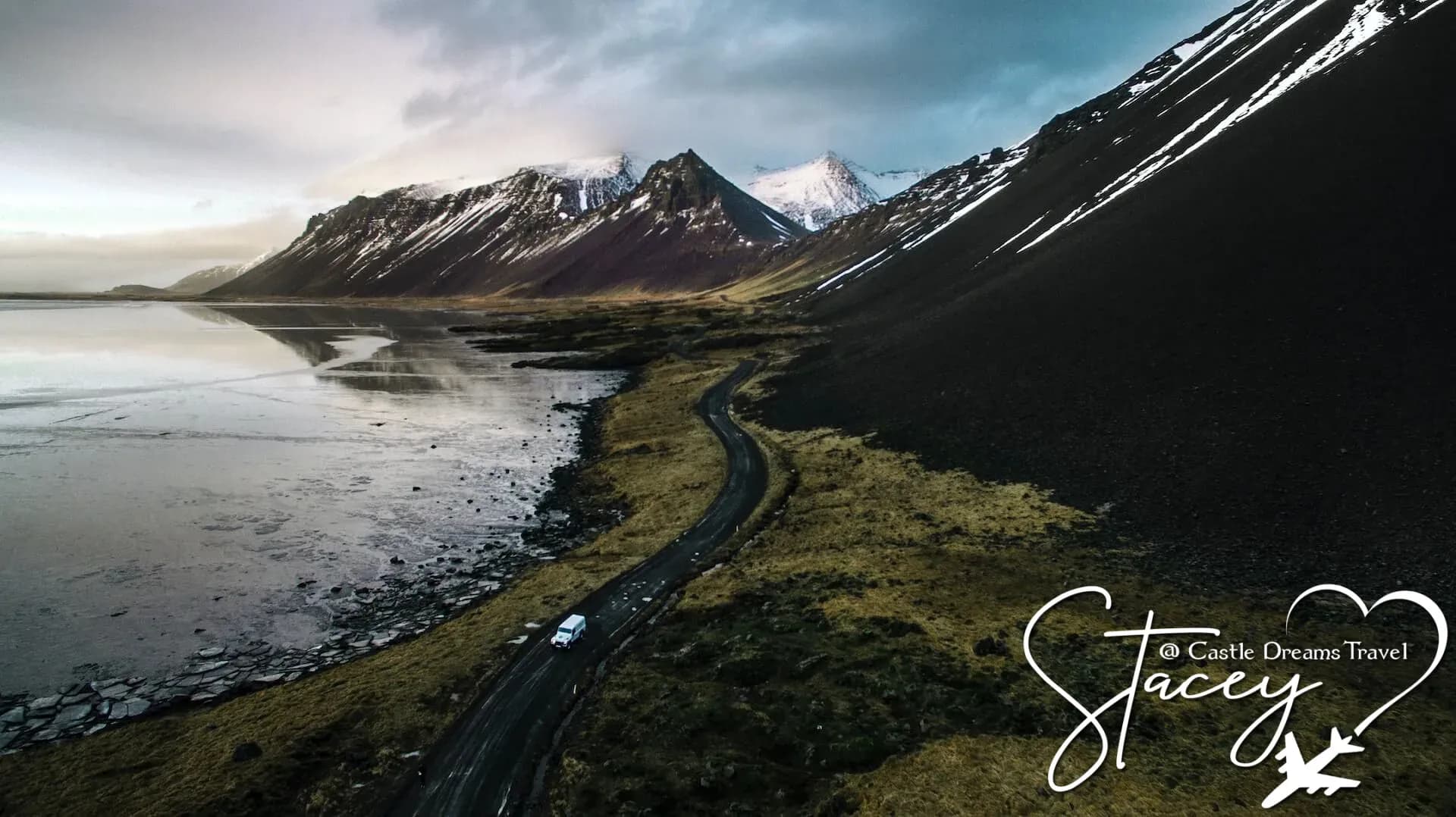
Iceland packs more raw geology into one small country than anywhere else you can fly to in five hours from the U.S. East Coast. Active volcanoes and lava fields shape the landscape; the Geysir geothermal area — home of the original geyser — still erupts on schedule at Strokkur; and black-sand beaches like Reynisfjara and the ice-strewn Diamond Beach look like another planet.
The ice half of the fire-and-ice equation is just as dramatic: Vatnajokull, Europe's largest ice cap, feeds glaciers you can hike and the iceberg-filled Jokulsarlon lagoon you can boat across. Puffins and whales work the coastline in summer, and Reykjavik — compact, colorful, crowned by the Hallgrimskirkja church — makes an easy base for all of it.
Iceland works in every season, but it's two different trips. Summer brings the midnight sun, green highlands, puffins, and the full Ring Road — about a week to drive properly. Winter brings the aurora, ice caves, and short days that reward a tighter south-coast itinerary. Tell me which Iceland you're imagining and I'll plan that one.
Chasing the Northern Lights
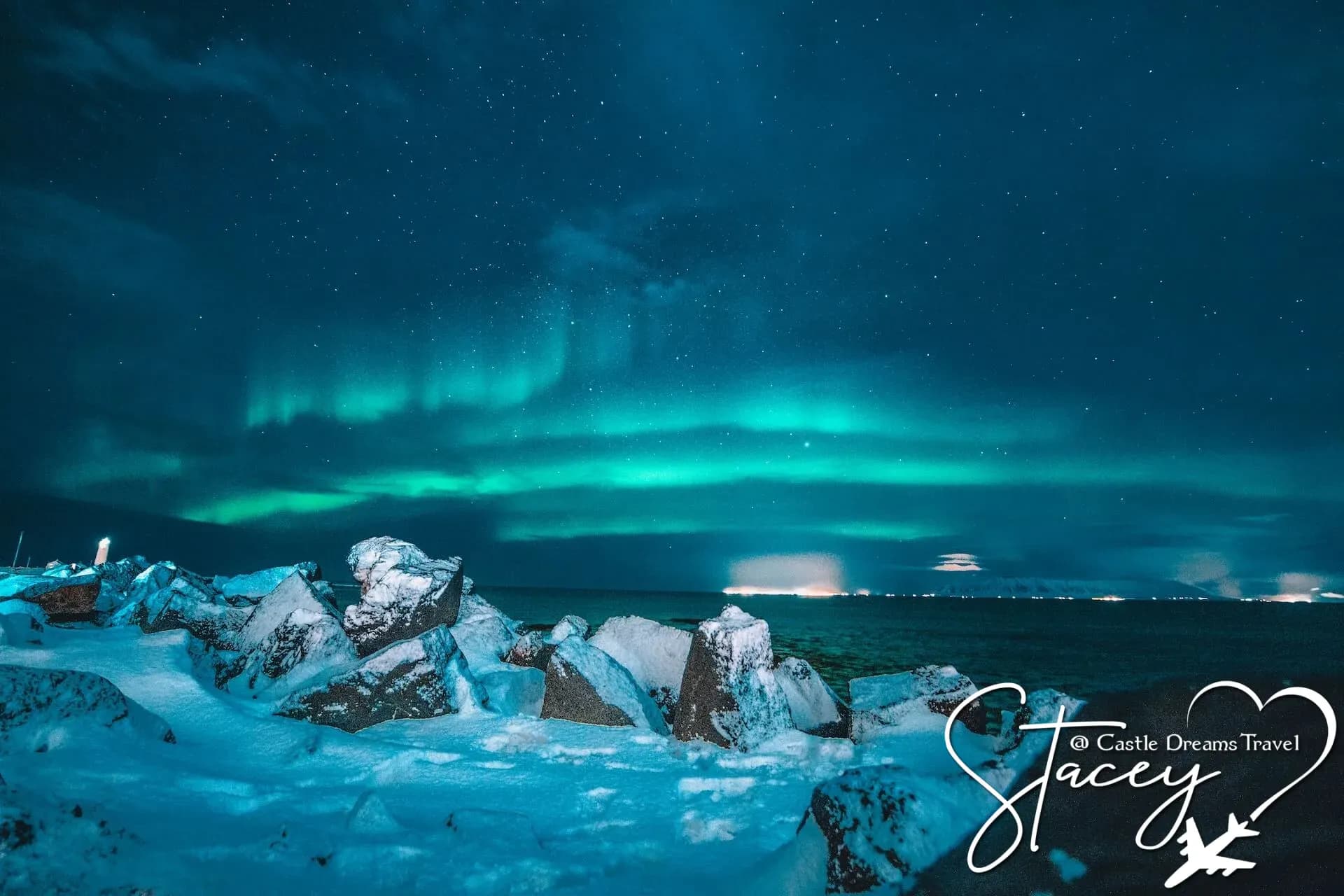
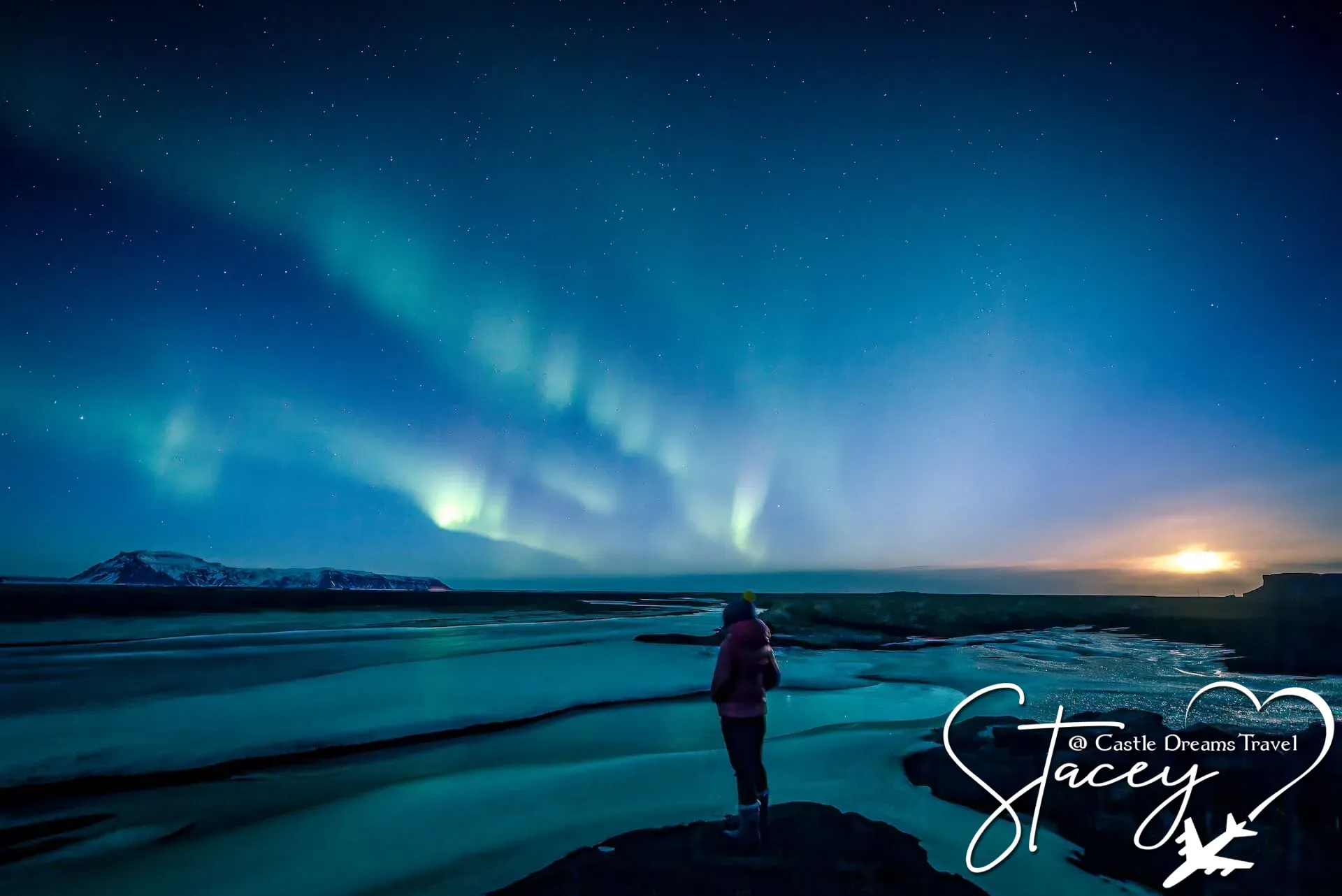
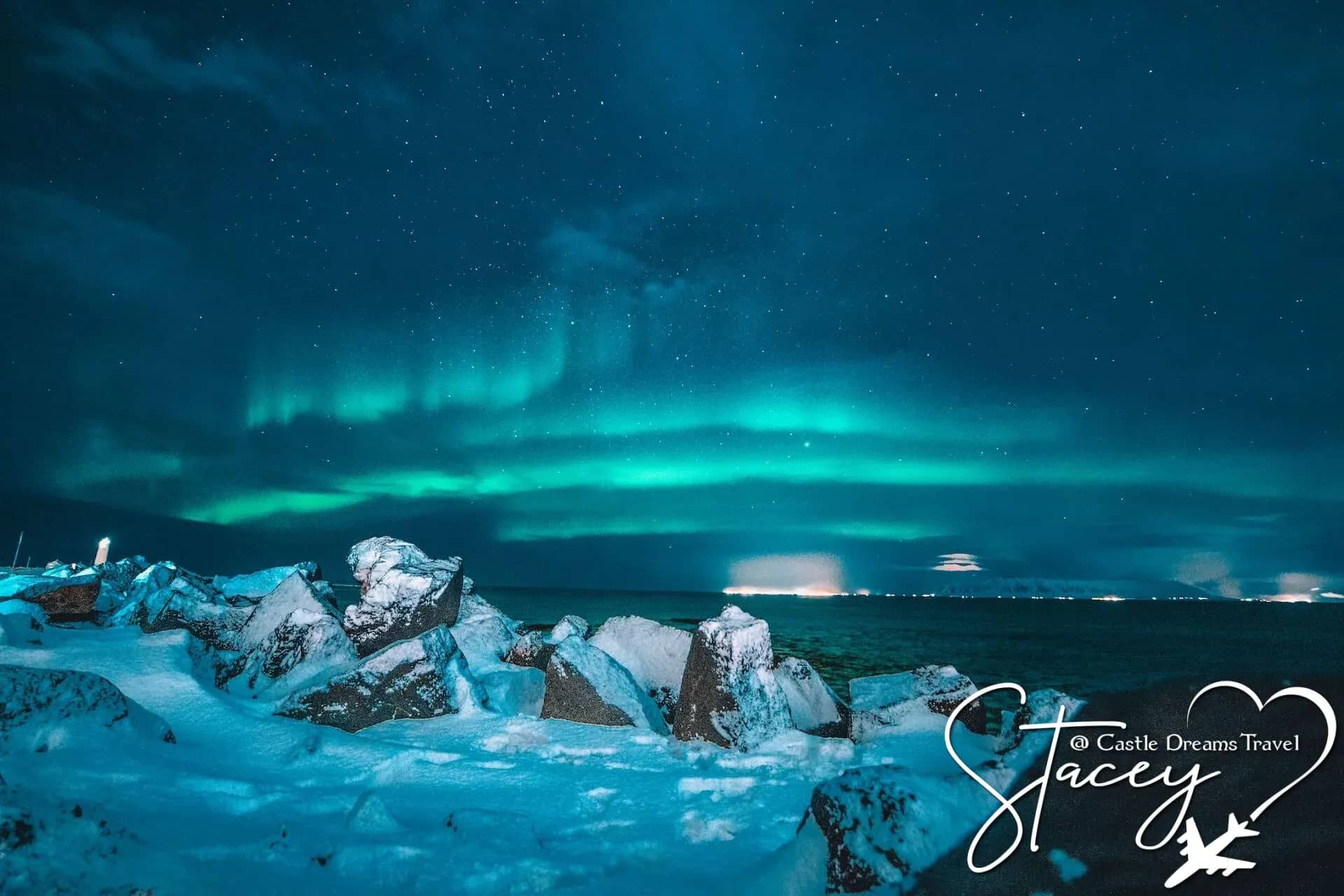
The aurora borealis appears when solar particles hit the upper atmosphere, and Iceland's position near the Arctic Circle makes it one of the most reliable places on earth to watch the sky turn green — roughly September through early April, on dark, clear nights away from city light.
Reliable is not guaranteed, and I won't pretend otherwise: no one can promise the lights on any given night. What I can do is stack the odds — multiple nights, the right months, guides who chase clear skies, and an itinerary full of glaciers, hot springs, and waterfalls so that even a cloudy week is a great trip with a chance of magic on top.
The Blue Lagoon
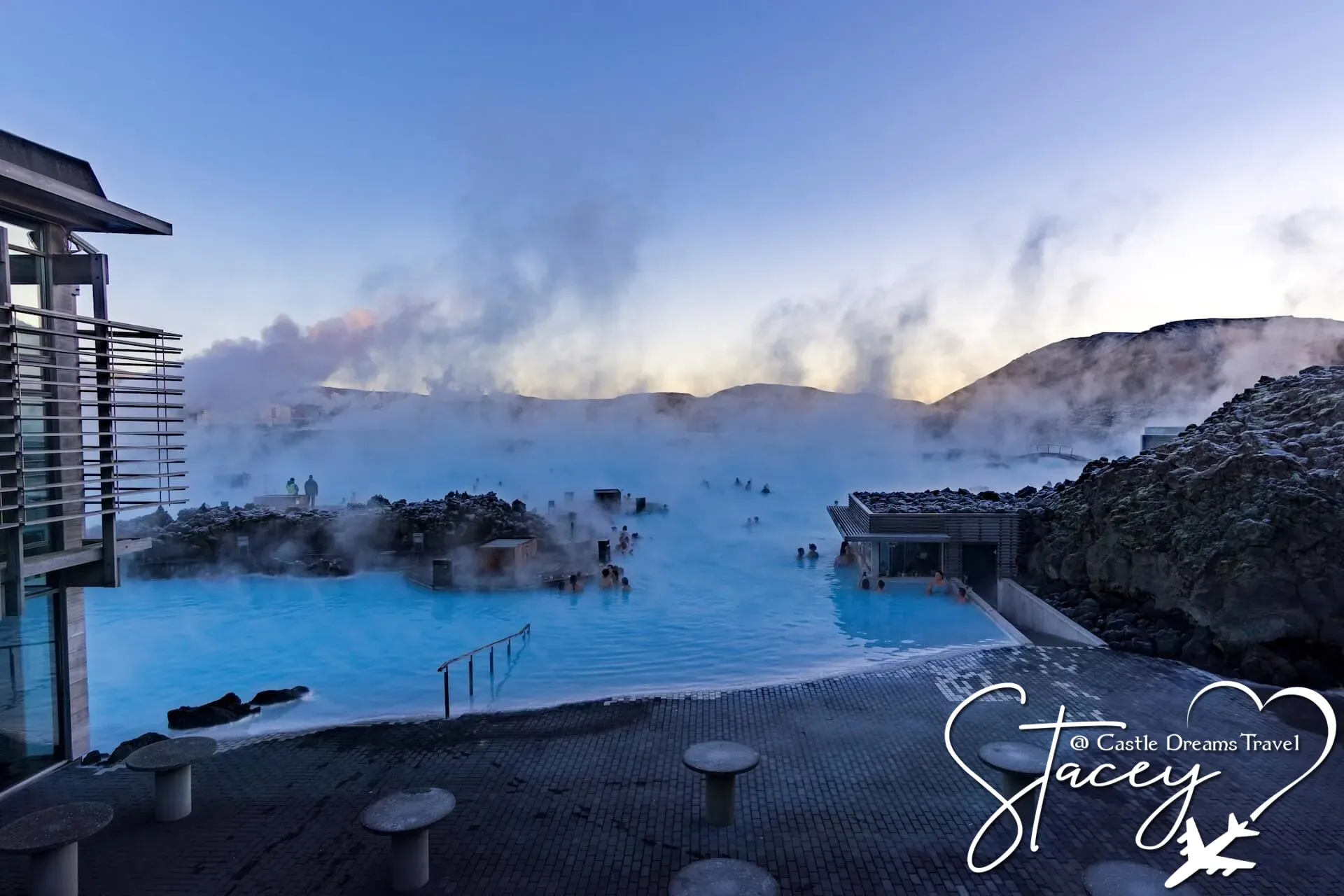
Iceland's most famous geothermal spa fills a lava field on the Reykjanes Peninsula with milky-blue, mineral-rich water that holds bathing temperature year-round. Silica mud masks, in-water bars, saunas, and steam rooms round out a soak that feels best when the air is cold and the water is steaming.
Two practical notes from a planner: the lagoon sits near Keflavik airport, so it slots perfectly into your arrival or departure day — and entry is by timed reservation that sells out, so I book it when I book your flights, not after you land. Prefer fewer crowds? Iceland has quieter geothermal pools too — ask me and I'll match the soak to the itinerary.
Iceland's Waterfalls
No country does waterfalls like Iceland, and most of the famous ones sit right off the main roads. Gullfoss thunders in two tiers on the Golden Circle; Seljalandsfoss lets you walk behind the curtain; Skogafoss drops a sheer 60 meters beside the south-coast highway.
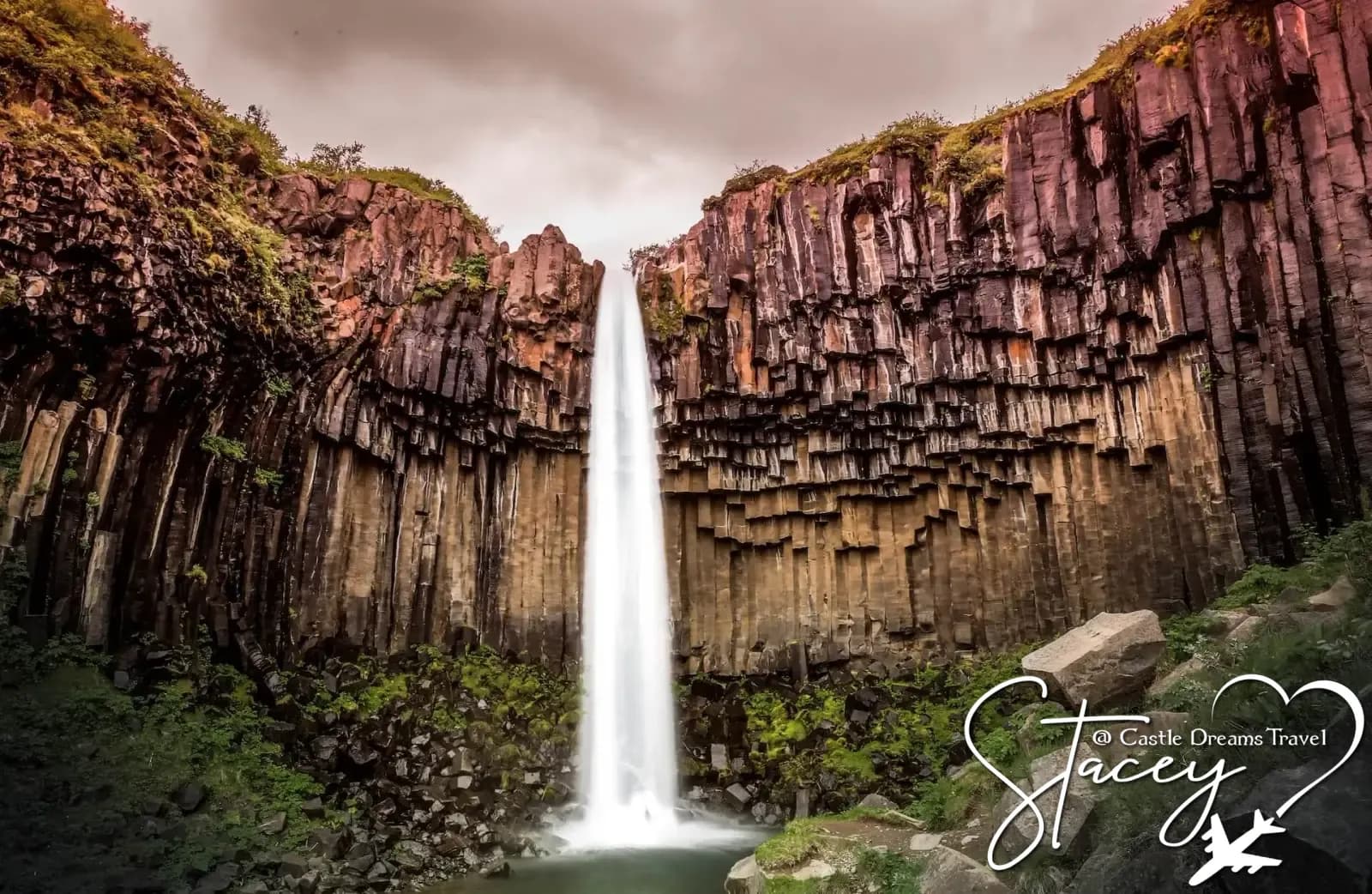
Keep driving and they keep coming: Dettifoss in the north, often called Europe's most powerful waterfall; Svartifoss framed by black basalt columns; Hraunfossar seeping in dozens of streams straight out of a lava field; and Godafoss — the "Waterfall of the Gods." A well-planned route collects half of these without a single backtrack, which is exactly the kind of route I build.
Multigenerational families, friends' getaways, and corporate retreats — one planner coordinates every traveler, with zero fees.
Quick answers
Customized vacation packages, cruises and resorts — planned for you, never a planning fee.
Get a Free Quote